• Skip to main content
  • Skip to footer
  • Facebook
  • Google Business
  • Email

Insurance For Over 65

Serving Georgia, Alabama, and Florida

  • Home
  • About
    • Monthly Newsletter
  • Blog
  • Testimonials
  • Our FAQ Section
    • Medicare FAQ
    • What You Should Know About Medicare and HSA’s
    • 2026 Medicare Costs
    • How Do You Change Medicare Plans?
    • Life Insurance FAQs
  • Contact

Uncategorized

April 18, 2025 By Greg Nicholaides

Regular Brisk Walks and Other Exercise Can Help Prevent Falls in Older Women

By Becky Upham

Jan. 31, 2025

New study finds that being active 30 minutes a day, 5 days a week can help prevent falls and injuries in older women.

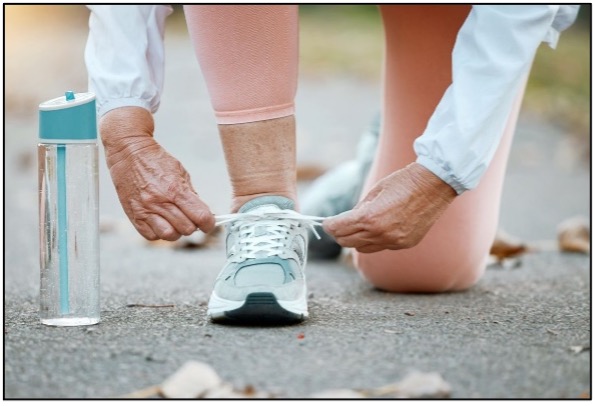
Older women who exercised the equivalent of 30 minutes a day, five times a week were up to one-third less likely to hurt themselves in a fall, according to an Australian study published today in JAMA Network Open.

Brisk walking and moderate or moderate-to-vigorous activity were also all associated with lower risk, the authors wrote.
The findings are encouraging, though not necessarily surprising, says Deborah Kado, MD, a geriatrician at Stanford Health and co-director of the Stanford Longevity Center, both in Palo Alto, California.

“It’s good to see data that suggests that getting more physical activity is associated with a lower risk of falling. Although we often take mobility — the ability to move safely from one place to another – for granted, when you lose it, you really lose your ability to be independent,” says Dr. Kado, who was not involved in the research.

3 Million Older Adults Go to the ER Each Year Because of a Fall

The Centers for Disease Control and Prevention estimates that about 1 out of 4 older U.S. adults fall each year, and about three million are treated in the ER, making it a major health concern.

Falls resulting in hip fracture are especially concerning – one meta-analysis suggests that about 3 in 10 older adults who break their hip die within the next year.

More Than 1 in 4 Participants Reported Falling Within the Past Year

The evidence on whether physical activity reduces fall risk has been inconsistent, and it’s also not clear how much exercise is required, according to the authors. To find out more about how physical activity impacted both injurious and non-injurious falls, researchers recruited over 10,000 women between the ages of 45- and 50-years old back in 1996. Over 7,000 participants, with an average age of 67 years old, completed follow up questionnaires between 2016 and 2019.

Participants self-reported their weekly amount of three types of physical activity:

  • Walking briskly, for recreation or exercise or to get from place to place
  • Moderate activity, such as social tennis, moderate intensity exercise classes, and recreational swimming
  • Vigorous exercise that made them breathe harder or puff and pant, like aerobics, vigorous cycling, running, and swimming

The subjects were then placed into groups according to the number of minutes they logged: none, less than 150 minutes, 150 to 299 minutes, and 300 minutes or more.

Those amounts were chosen to align with the World Health Organization (WHO) guidelines on physical activity. “Any amount of physical activity is better than none, and more is better,” advises WHO. The organization recommends at least 150 to 300 minutes of moderate or vigorous aerobic activity per week.

Participants in the 2019 survey answered three questions about falls in the past year:

  • Did they have a fall to the ground?
  • Were they injured because of a fall?
  • Did they seek medical attention for a fall-related injury?

About 2,000 women reported falling in the last 12 months, with about half leading to injury and half not.

Being Active for 2.5 Hours a Week Cut Fall Risk

After adjusting for factors that could influence risk, researchers found that doing 150 to 300 minutes of exercise per week reduced fall risk that didn’t cause injury by 26 percent and injurious falls by 30 percent. Exercising for more than 300 minutes – five hours – cut the risk by 34 percent for injury-free falls and 23 percent for falls that caused injury.

These findings support multiple exercise trials that show a link between physical activity and reduced fall risk, says Kado. “For example, tai chi has been shown to help older adults reduce their risk of falling,” she says.

Tai chi originated as an ancient martial arts practice in China, and the modern practice incorporates slow movements and physical poses with controlled breathing. A meta-analysis of 24 randomized controlled trials published in September 2023 found that tai chi “can effectively reduce the risk of falls in older adults” and improve balance and walking speed.

Walking Reduced Fall Risk by 17 Percent

Brisk walking lowered the risk by 17 percent compared with no exercise at all, according to the authors.

This supports earlier research that shows that walking can help prevent falls. A Japanese study of 90 older adults found that a walking intervention reduced the risk of falls more effectively than balance training.

The Good News: You Don’t Have to Exercise 3 Hours a Week to Get Health Benefits

Although the study didn’t find any reductions in fall risk in the group with less than 150 minutes a week of activity, that doesn’t mean that there’s no benefits to small chunks of movement, says Kado.

“The WHO guidelines are terrific, but to tell people they need to get 150 minutes of physical activity a week – I think that can be a deterrent for some people,” she says. In the real world, most people aren’t getting between 2.5 and 5 hours of exercise a week, says Kado.

But you don’t have to meet that threshold to make meaningful improvements in your health, she says. “The truth of the matter is, if you look at data, even the smallest amount of activity has benefits. And the biggest bang for the buck is at the early part of the curve. So basically, if you’re a couch potato and don’t do any physical activity, if you just increase a little bit, like get up and down and walk around the house every 15 minutes, that will decrease your risk of dying early,” says Kado.


Filed Under: Uncategorized

March 21, 2025 By Greg Nicholaides

Cruising for Seniors: A Comprehensive Guide to Planning the Perfect Voyage

Senior.com

January 9, 2025

By Christina Dailey

Cruising for Seniors: A Comprehensive Guide to Planning the Perfect Voyage

Cruises offer a unique and relaxing way for seniors to explore the world, combining luxurious accommodations with the convenience of all-inclusive travel. From cabin sizes and dining options to ports and excursions, this guide provides detailed insights into cruising for older adults. We’ll also cover costs, insurance, and boarding recommendations to ensure a smooth and enjoyable journey.

Cabin Sizes and Options

Cruise ships cater to various preferences and budgets, offering the following cabin types:

  1. Interior Cabins:
    • No windows, compact space.
    • Affordable option for budget-conscious travelers.
    • Prices range from $75 to $150 per night, depending on the cruise line.
  2. Oceanview Cabins:
    • Features a window or porthole with ocean views.
    • Slightly larger than interior cabins.
    • Prices range from $100 to $200 per night.
  3. Balcony Cabins:
    • Private outdoor seating area with stunning views.
    • Ideal for seniors seeking privacy and relaxation.
    • Prices range from $150 to $300 per night.
  4. Suites:
    • Spacious accommodations with luxury amenities.
    • Includes perks like butler service and priority boarding.
    • Prices start at $300 per night and can exceed $1,000 for premium suites.

Dining Options

Cruise lines offer a variety of dining experiences:

  1. Main Dining Rooms:
    • Sit-down meals with set menus and service.
    • Accommodates dietary restrictions and preferences.
  2. Buffets:
    • Casual, self-serve meals with diverse options.
    • Convenient for quick bites.
  3. Specialty Restaurants:
    • Upscale venues offering gourmet cuisine.
    • Additional fees typically range from $20 to $100 per person.
  4. Room Service:
    • Available on most ships, often complimentary or with a small delivery fee.

Ports and Excursions

Cruise itineraries include various ports, each offering unique excursions. Popular destinations and activities include:

  1. Caribbean Cruises:
    • Snorkeling, beach outings, and cultural tours.
    • Excursion costs range from $50 to $150 per person.
  2. Alaskan Cruises:
    • Glacier tours, wildlife spotting, and dog sledding.
    • Excursion costs range from $75 to $300 per person.
  3. Mediterranean Cruises:
    • Historical site visits, wine tasting, and local cuisine tours.
    • Excursion costs range from $100 to $250 per person.
  4. River Cruises:
    • Visits to small towns, castles, and scenic landscapes.
    • Excursions are often included in the fare.

Costs and Budgeting

  1. Base Fare:
    • Includes accommodation, meals, and onboard entertainment.
    • Prices range from $500 to $5,000 per person for a 7-day cruise.
  2. Add-ons:
    • Shore excursions, specialty dining, and spa treatments.
    • Budget an additional $300 to $1,000 for extras.
  3. Gratuities:
    • Typically, $15 to $20 per day per person.
    • Prepaying gratuities simplifies budgeting.
  4. Travel Insurance:
    • Costs range from 4% to 10% of the trip’s total cost.
    • Covers trip cancellations, medical emergencies, and lost luggage.

Travel Insurance for Cruises

Travel insurance is essential for seniors, offering:

  1. Trip Cancellation Coverage:
    • Reimbursement for cancellations due to illness or emergencies.
  2. Medical Coverage:
    • Pays for onboard or portside medical treatments.
  3. Evacuation Coverage:
    • Covers the emergency evacuation cost, often exceeding $50,000 without insurance.

Boarding and Departing Recommendations

  1. Boarding Tips:
    • Arrive at the port early to avoid long lines.
    • Use priority boarding options if available.
    • Keep travel documents and medications in a carry-on bag.
  2. Departing Tips:
    • Choose self-assist disembarkation for faster exit.
    • Arrange transportation from the port in advance.

Tips for Seniors

  1. Accessibility:
    • Ensure the ship offers wheelchair-friendly cabins and common areas.
    • Request mobility aids like scooters or walkers if needed.
  2. Health Services:
    • Most cruise ships have medical facilities with onboard doctors and nurses.
    • Check for ships offering enhanced health protocols, especially post-COVID-19.
  3. Travel Companions:
    • Traveling with family or groups reduces isolation.
    • Solo seniors can join activities or meet others through onboard clubs.

Popular Cruise Lines for Seniors

  1. Holland America Line:
    • Known for elegant dining and enrichment programs.
    • Offers discounts for guests over 55.
  2. Viking River Cruises:
    • Focuses on cultural experiences with all-inclusive pricing.
    • Ideal for intimate, small-ship journeys.
  3. Celebrity Cruises:
    • Offers luxurious accommodations and wellness programs.
    • Features accessible staterooms and priority services.
  4. Royal Caribbean:
    • Known for diverse activities and entertainment.
    • Caters to multi-generational families.

Cruising is an excellent travel option for seniors, offering convenience, luxury, and adventure in one package. By carefully selecting the right cruise line, cabin, and itinerary, older adults can enjoy a stress-free vacation tailored to their preferences and needs. Cruising can be a safe and enriching experience for seniors worldwide with proper planning, travel insurance, and onboard support.

Filed Under: Uncategorized

March 21, 2025 By Greg Nicholaides

Scams Are On the Rise

What should you be aware of to be safe?

Senior.com

February 26, 2025

By Jeff Dailey

Elderly scams are a growing concern, with scams targeting individuals aged 60 and older resulting in over $3.4 billion in losses in 2023 – a nearly 11% increase from the previous year.

Common Scams Targeting Elderlies

  • Phone Scams
    • Government Impersonation Scams: Scammers pose as officials from agencies like the Social Security Administration (SSA) or the Internal Revenue Service (IRS), claiming issues with the victim’s accounts or benefits. They often threaten legal action or arrest to elicit personal information or payments.
    • Tech Support Scams: Fraudsters pretend to be tech support representatives, claiming the victim’s computer is infected with malware. They request remote access or payment for unnecessary services.
  • Mail Order Scams
    • Lottery and Sweepstakes Scams: Victims receive letters claiming they’ve won a lottery or sweepstakes but must pay fees or taxes upfront to claim their prize.
    • Charity Scams: Scammers send mail solicitations posing as charitable organizations, especially after natural disasters or during holidays, asking for donations.
  • Email Scams
    • Phishing Emails: Emails that appear to be from legitimate companies or government agencies ask recipients to verify personal information or click on malicious links.
    • Romance Scams: Scammers create fake profiles on dating sites or social media, build relationships with victims, and request money for emergencies or travel.

Steps to Take if Targeted or Victimized by Scams

  • If You Receive an Attempted Scam:
    • Do Not Engage: Avoid responding to unsolicited calls, emails, or letters requesting personal information or payments.
    • Verify the Source: Contact the organization directly using official contact information to confirm the legitimacy of the communication.
    • Report the Attempt: Notify relevant authorities, such as the Federal Trade Commission (FTC) or your state’s consumer protection office.
  • If You Have Been Scammed:
    • Contact Financial Institutions: Inform your bank or credit card company immediately to halt transactions and monitor for fraudulent activity.
    • Report to Law Enforcement: File a report with local police and the FBI’s Internet Crime Complaint Center (IC3). fbi.gov
    • Seek Support: Reach out to organizations like the National Elder Fraud Hotline at 833-FRAUD-11 (833-372-8311) for assistance and guidance. 

Preventative Measures

  • Stay Informed: Regularly educate yourself about common scams targeting seniors.
  • Protect Personal Information: Never share personal or financial details over the phone or online unless you know the recipient’s identity.
  • Monitor Financial Accounts: Regularly review bank and credit card statements for unauthorized transactions.
  • Use Technology Wisely: Install and update computer security software and be cautious when downloading attachments or clicking links.

By staying vigilant and taking proactive steps, seniors can protect themselves from elderly scams and reduce the risk of financial exploitation.

Filed Under: Uncategorized

February 20, 2025 By Greg Nicholaides

Flu Season in the US is the Most Intense it’s Been in at Least 15 Years

By Associated Press

February 11, 2025

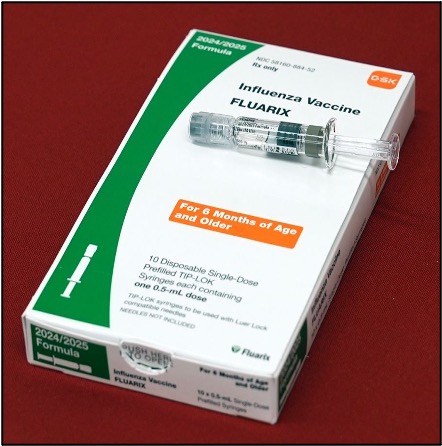
U.S. health officials recommend that everyone 6 months and older get an annual flu vaccine. The U.S. winter virus season is in full force, and by one measure is the most intense in 15 years.

One indicator of flu activity is the percentage of doctor’s office visits driven by flu-like symptoms. Last week, that number was clearly higher than the peak of any winter flu season since 2009-2010, when a swine flu pandemic hit the nation, according to data posted Friday morning by the Centers for Disease Control and Prevention.

Of course, other viral infections can be mistaken for flu. But COVID-19 appears to be on the decline, according to hospital data and to CDC modeling projections. Available data also suggests another respiratory illness, RSV, has been fading nationally.

The flu has forced schools to shut down in some states. The Godley Independent School District, a 3,200-student system near Fort Worth, Texas, last week closed for three days after 650 students and 60 staff were out Tuesday.

Jeff Meador, a district spokesman, said most illnesses there have been flu, plus some strep throat. He called it the worst flu season he could remember.

So far this season, the CDC estimates, there have been at least 24 million flu illnesses, 310,000 hospitalizations and 13,000 deaths – including at least 57 children. Traditionally, flu season peaks around February.

Overall, 43 states reported high or very high flu activity last week. Flu was most intense in the South, Southwest and western states. In Rochester, New York, the flu season has been intense but not necessarily worse than at the peak of other years, said Dr. Elizabeth Murray, a pediatric emergency medicine doctor at the University of Rochester Medical Center. She said there’s a lot of flu, but there’s also still a lot of RSV and a surprising number of babies with COVID-19. “All of the respiratory illnesses are around, with a vengeance,” Murray added.

The CDC declined to let an Associated Press reporter speak to an agency flu expert about recent trends. The Trump administration ordered a temporary “pause” on health agency communications and has continued to refuse interview requests that were routinely granted in the past.

Late Friday afternoon, a CDC spokesperson acknowledged that the new data shows “the highest absolute value” of flu-like illness when compared with other seasons but added that the statistic is complicated: That value references a baseline estimate for doctor’s office visits, but the baseline is recalculated every year. In late January, the CDC was describing the season as “moderate” in severity.

About 44% of adults got flu shots this winter, the same as last winter. But coverage of children is way down, at about 45% this winter. It’s usually around 50%, according to CDC data.

About 23% of U.S. adults were up to date in their COVID-19 vaccinations as of late January, up from about 20% at the same point in time the year before. COVID-19 vaccination rates for kids were about the same, at around 12%.

The government has not yet reported its estimates of how well this season’s flu vaccine is working. Testing results from patients indicate that two strains of seasonal flu that are causing most illnesses – a Type A H1N1 and a Type A H3N2. Health officials are closely watching a third strain – a bird flu known as Type A H5N1 – that has sickened tens of millions of animals, but is known to have infected only 67 people in the U.S.

To avoid seasonal viruses, doctors say you should avoid touching your eyes, nose and mouth because germs can spread that way. You should also wash your hands with soap and water, clean frequently touched surfaces and avoid close contact with people who are sick.

Filed Under: Uncategorized

February 20, 2025 By Greg Nicholaides

Should You Unretire?

By Rodney A. Brooks

January 13, 2025

Before you retire, you need to think about more than just finances. Or maybe just…unretire. 

There are those who count the days leading up to retirement, and those who vow they will never retire. In between, however, are those who spend years looking forward to retirement  – only to discover that it’s not for them.

During the COVID pandemic millions retired, but by 2022 more than 1.5 million of them had reentered the workforce, according to a T. Rowe Price survey. Roughly half (48%) of those working in retirement felt they needed to work for financial reasons. But a similar number (45%) chose to return to work for social and emotional benefits, the survey says.

In other words, they “unretire.”

Why Unretire?

There are many reasons people unretire. They get anxious and bored. They need the money. They miss their co-workers/friends.

Certified Financial Planner Nick Abrams, CEO of Opulentia in Hunt Valley, Maryland, says one of his clients was a doctor whose retirement lasted all of six months.

“She worked for a hospital in Maryland for a number of years,” he says. “She retired and stayed home for maybe six months. Now she’s a traveling physician. She’ll travel out of state to different hospitals if they need a doctor. And she’s been doing that for probably about two years now.

“I think she was tired of the everyday grind of being a doctor and really, COVID kind of just drained her,” Abrams says. “She was single with no kids. But then once she left she realized sitting by herself every day wasn’t what she wanted.

“She was going to do more traveling,” he says. “She’s been around the world all throughout her life. But it just really came down to, okay, I’ve got to do something else.”

Retirement vs Unretirement

Beau Henderson, CEO and financial advisor at RichLife Advisors, in Gainesville, Georgia, says some people go through what he calls the “not what I thought retirement would be.”

“That’s when somebody retires and then decides ‘I’m sick of golfing after three months,’” he says. “Or I really got a lot of benefit from my identity as the boss. Or the social aspect – I have a lot of relationships and friends on the job. We only have an idea of what we think things will be like, but we don’t really know until we get there, kind of test out and try it on.”

Abrams says other clients, a married couple, retired together from jobs with the federal government and moved to Florida. “After they retired, they hung out for a while,” he says. “Then they decided to go into business. And they’ve got their own consulting company that’s doing very well. They make more money now than they did working for federal government. I think opportunity just came their way,” he says.

Uncertainties and Unretirement

Henderson says one thing you can be certain of in retirement is the uncertainties. “One thing I’m certain about when it comes to retirement planning is there are things we don’t know – that are uncertain,” he says.  “Things like: How long am I going to be healthy? How much longer am I going to be able to work?  So, the problem with the certainty of uncertainty is if we don’t plan for things that might happen outside of what we want to happen, the plan might fail.”

He says that boredom hits hardest when retirees don’t have hobbies. “When you talk about the planning, there’s the financial part. And then there’s the personal part where people just sort of don’t plan out life,” he says. “A lot of the work should be around really thinking through what’s of interest to me? What are some other hobbies? What are some things that might keep me engaged? Because there’s a lot of data behind the benefits of a longer, healthier life if you stay engaged in retirement.”

Before you retire, you need to think about much more than your finances, Abrams says. “What are you going to do? What does retirement look like? “Some people love this sitting around doing nothing. That works for them, and they find other stuff to do. But some people are just conditioned to work. It’s in their nature. But they want to do it on their own terms.”

Filed Under: Uncategorized

  • « Go to Previous Page
  • Page 1
  • Interim pages omitted …
  • Page 3
  • Page 4
  • Page 5
  • Page 6
  • Page 7
  • Interim pages omitted …
  • Page 38
  • Go to Next Page »
  • Facebook
  • Google Business
  • Email

Copyright © 2026 | Insurance For Over 65