• Skip to main content
  • Skip to footer
  • Facebook
  • Google Business
  • Email

Insurance For Over 65

Serving Georgia, Alabama, and Florida

  • Home
  • About
    • Monthly Newsletter
  • Blog
  • Testimonials
  • Our FAQ Section
    • Medicare FAQ
    • What You Should Know About Medicare and HSA’s
    • 2026 Medicare Costs
    • How Do You Change Medicare Plans?
    • Life Insurance FAQs
  • Contact

Uncategorized

March 15, 2024 By Greg Nicholaides

10 Dos and Don’ts to Lose Belly Fat After 65

By Alisa Bowman | May 10, 2023

Your body changes as you age. So should your weight-loss strategy. Here’s what you need to know to shed belly fat.

It’s not just you with extra padding in your middle. According to Tufts Medical Center, aging slows down our basal metabolic rate, which is the biological system where our bodies burn calories at rest to keep our organs functioning. This leads to weight gain, even if we aren’t eating or exercising any differently than we did before. 
And while we may be well past the point where we care about washboard abs, extra weight in the midsection does come with some significant health risks. The most dangerous kind of belly fat (called visceral fat, which surrounds organs in your abdominal cavity) has been linked to an increased risk for heart disease, type 2 diabetes, and breast cancer, according to Harvard University. 

Fortunately, you can lose belly fat with certain lifestyle changes. Here’s what you can do – and what you should not do – to slim down your middle and improve your health. No extreme diets or marathon running required.  

Do: Combine Weight Training With Cardio 

This pair is a fat-burning winner. Strength training helps you build the muscle you need to rev up your metabolism, since muscle tissue burns more calories at rest than fat. Cardiovascular exercise, also known as aerobic activity, helps burn off excess calories.   

According to a 2022 analysis of 114 studies published in Obesity Reviews, this combo led to more fat loss than either form of exercise alone. Aim for 150 weekly minutes of moderate intensity cardio (like brisk walking) coupled with two-weekly strength training workouts, says Logan Strollis, M.S., an exercise physiologist at LVHN Fitness in Allentown, Pennsylvania. 

If 150 weekly minutes feels like a big ask, go with what your body can handle. Any activity is better than none, after all. It’s also important to choose activities that you enjoy, because you’ll be more likely to do them, says Janet J. Boseovski, Ph.D., a professor of psychology at the University of North Carolina at Greensboro.    

Do: More Reps With Lighter Weights

All forms of strength training can help you build lean muscle mass to support your metabolism. But high-rep sessions – ones where you complete 12 to 20 repetitions per set – offer an added bonus, says Strollis. When compared to fewer reps with heavier weights, high-rep sessions can help you get your heart rate up, he says, helping you to burn more calories.  

Do: Boost Your Protein Intake  

Oftentimes when you lose weight, the pounds lost come from muscle instead of fat tissue. Consuming enough protein every day helps make sure your weight loss mostly comes from belly fat – and not from muscle mass, according to an analysis of 24 studies published in Nutrition Reviews. 

Protein also helps dampen our hunger, so we’re less likely to reach for extra food our bodies will wind up storing as fat. And like many things, protein’s effect on the body changes as we grow older.  

“Protein intake needs go up with age, because our bodies become less efficient at synthesizing and absorbing the protein that we eat,” says Kieran McSorley, R.D., of the Brentwood Physiotherapy Clinic. Ideally, aim for at least 1.2 grams of protein per kilogram of body weight, he says. 

For a 150-pound person, that means 81 daily grams of protein. To reach that number, you might consume: 

  • 6 ounces of Greek yogurt at breakfast (about 18 grams)
  • 6 ounces of chicken at lunch (about 56 grams)
  • ½ cup of pinto beans with your dinner (about 11 grams)

Do: Prioritize Nutrient-Dense Foods  

As you grow older, your body may require fewer calories. But you still need to consume enough nutrients to stay healthy, says McSorley.  

To get you there, he recommends a daily diet consisting of:

  • Colorful fruits and vegetables
  • Leafy greens
  • Lean protein
  • Low-fat dairy products
  • Whole grains 

Fueling your body properly allows you to have the energy to get the exercise that helps you burn calories and fat. 

Do: Watch Your Stress Levels 

When you feel overwhelmed, levels of cortisol, a stress hormone, rise, contributing to the storage of belly fat. To help combat this, make sure your daily activities bring you joy whenever possible, says Boseovski.  

Ask yourself: What do I find meaningful?  

That’s the stuff you want to keep doing, says Boseovski. If a joyless task can be ditched with no financial or personal consequences, just let it go.  

Do: Pay Attention to How You Feel When You Eat 

If you’re like most of us, grabbing a bag of chips or cookies when you’re feeling stressed seems like a fantastic idea. But empty calories like those aren’t good for our waistline – or our energy levels. 

To counteract stress eating, Boseovski suggests keeping a food journal. When you find yourself reaching for snacks – despite not truly being hungry – jot down some notes.  

Ask yourself: 

  • What’s going on around me?  
  • What am I trying to avoid or escape by eating? 

These notes will help you to come up with new coping strategies. For example, instead of eating, you might go for a walk, snuggle with your dog, or see if a friend wants to join you for a cup of coffee.  

Do: Relax Before Bed  

Quality sleep helps keep our metabolism humming. So, anything you can do to help prepare you for a good night’s sleep, the better off you’ll be.  

A few simple tricks that promote better rest: 

  • Ditch glowing screens an hour before bedtime 
  • Keep the temperature in your bedroom cool 
  • Wind down with a book before you turn-in

Visualization techniques can also be useful, says Sriram Machineni, M.D. He’s the director of the Fleischer Institute Medical Weight Center at the Albert Einstein College of Medicine.  When his clients struggle to fall asleep, he recommends yoga nidra, a visualization strategy that can help you relax. 

“It has been extremely helpful for my patients,” says Machineni. You’ll find dozens of free 20-minute yoga nidra sessions on YouTube, he says. Sample a few of them so you can choose one that feels soothing to you. Then play it in a calm room when you are ready to turn-in.  

Don’t: Fixate on Planks or Situps. 

It may seem like working your core muscles would be a great place to start to burn belly fat. “And while core exercises like planks do offer a lot of benefits – improving posture and reducing your risk of injuries, for example – they’re not the best tool for reducing belly fat”, says Strollis.  “A lot of people think if they do hundreds of crunches or planks, it will address belly fat. But that doesn’t work,” he says. And scientific research bears this out.  

When study participants completed two sets of 10 repetitions of seven different abdominal exercises five days a week, their amounts of belly fat were relatively unchanged six weeks later.  Regular cardiovascular exercise, paired with whole-body strength training, is a more successful fat-blasting strategy, the study authors found. 

Don’t: Skip Your Warmup 

Nothing sidelines your exercise sessions faster than an injury. And when older adults get injured, it’s often because they jumped right into a strength training or cardio session without a warmup.    

Don’t: Skimp on Fiber-Rich Foods 

Because fiber is a carbohydrate – and carbs fuel the body – eating high-fiber foods can help give you the stamina to work out. Fiber also has other beneficial effects on the body that impact belly fat. 

A study from Brigham Young University examined the eating habits of 6,374 people, and it found that fiber can help improve insulin function. That’s important, says McSorley, because insulin resistance is thought to contribute to the accumulation of belly fat. Insulin resistance is also a hallmark of type 2 diabetes.  Aim for at least 25 grams of fiber per day from fruits, vegetables, whole grains, and legumes. 

Filed Under: Uncategorized

February 26, 2024 By Greg Nicholaides

Millions of People with Medicare Will Benefit from the New Out-of-Pocket Drug Spending Cap Over Time

Juliette Cubanski, Tricia Neuman, and Anthony Damico – Kaiser Family Foundation
Feb 08, 2024

Good News – in 2025, Medicare beneficiaries will pay no more than $2,000 out of pocket for prescription drugs covered under Medicare Part D, Medicare’s outpatient drug benefit. This is due to a provision in the Inflation Reduction Act of 2022, which included several changes to the Medicare Part D program designed to lower patient out-of-pocket costs and reduce what Medicare spends on prescription drugs. This new $2,000 cap (indexed annually to the rate of change in Part D costs) comes on top of the elimination of 5% coinsurance in the catastrophic coverage phase of the Part D benefit, in effect for 2024, which translates to a cap of about $3,300 out of pocket for brand-name drugs. These benefit design changes will save thousands of dollars for people who take high-cost drugs for cancer, rheumatoid arthritis, and other serious conditions.

If a $2,000 cap on out-of-pocket drug spending had been in place in 2021, 1.5 million Medicare beneficiaries enrolled in Part D plans would have saved money because they spent $2,000 or more out of pocket on prescription drugs that year. This estimate is based on the Kaiser Family Foundation’s analysis of Medicare Part D prescription drug claims data for enrollees without Part D low-income subsidies in 2021 (the most recent year available for this analysis). Among these 1.5 million enrollees, most (1.0 million or 68%) spent between $2,000 and $3,000 out of pocket, while 0.3 million (20%) had spending of $3,000 up to $5,000, and 0.2 million (12%) spent $5,000 or more out of pocket.

Over the course of several years however, far more Part D enrollees will stand to see savings from this new out-of-pocket spending cap than in any single year. A total of 5 million Part D enrollees had out-of-pocket drug costs of $2,000 or more in at least one year during the 10-year period between 2012 and 2021, while 6.8 million Part D enrollees have paid $2,000 or more out of pocket in at least one year since 2007, the first full year of the Part D program.

In most states, tens of thousands, if not hundreds of thousands, of Medicare beneficiaries will feel relief from the new Part D out-of-pocket spending cap. In California, Florida, and Texas, more than 100,000 Part D enrollees faced out-of-pocket costs of $2,000 or more in 2021, and in another 6 states (New York, Pennsylvania, Ohio, Illinois, North Carolina, and New Jersey), between 50,000 and 82,000 did so. As at the national level, more Part D enrollees in each state will benefit over time. For example, in Iowa, Louisiana, and Maryland, 73,000 Part D enrollees faced out-of-pocket costs of $2,000 or more in at least one year between 2012 and 2021. In Michigan, New Jersey, and Georgia, 148,000, 158,000, and 159,000 Part D enrollees, respectively spent $2,000 or more in at least one year over this same 10-year period. In Texas, 364,000 Part D enrollees did so; in Florida and California, around 400,000 enrollees or more.

Capping out-of-pocket spending will help Part D enrollees with relatively high drug costs, which may include only a relatively small number of Part D enrollees in any given year but, as this analysis shows, a larger number over time. People who will be helped include those who have persistently high drug costs over multiple years and others who have high costs in one year but not over time. While a cap on out-of-pocket costs will help millions of Part D enrollees over time, higher plan costs to provide the Part D benefit could also mean higher plan premiums, a dynamic that the Inflation Reduction Act’s premium stabilization provision was designed to mitigate. Although KFF polling shows that a relatively small share of older adults is aware of the Inflation Reduction Act’s $2,000 cap on out-of-pocket drug costs for Part D enrollees that takes effect in 2025, millions of them will benefit from this cap in the years to come.

Filed Under: Uncategorized

February 26, 2024 By Greg Nicholaides

Could You Have Glaucoma?

National Eye Institute – November 2023

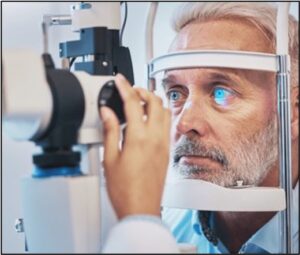
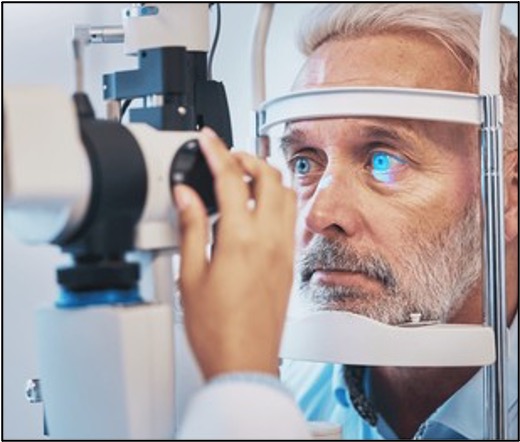
Did you know that about half of the 3 million people in the USA with glaucoma don’t even know they have it? If you get a glaucoma test and start treatment early, you may protect your eyes from serious vision loss. At first, glaucoma doesn’t usually have any symptoms. That’s why half of people with glaucoma don’t even know they have it. Medicare covers a glaucoma screening once every 12 months if you’re at high risk for developing glaucoma. There’s no cure for glaucoma, but early treatment can often stop the damage and protect your vision.

Glaucoma is a group of eye diseases that can cause vision loss and blindness by damaging a nerve in the back of your eye called the optic nerve.  The symptoms can start so slowly that you may not notice them. The only way to find out if you have glaucoma is to get a comprehensive dilated eye exam.  

There are many different types of glaucoma, but the most common type in the United States is called open-angle glaucoma – that’s what most people mean when they talk about glaucoma. Other types are less common, like angle-closure glaucoma and congenital glaucoma. Over time, you may slowly lose vision, usually starting with your side (peripheral) vision – especially the part of your vision that’s closest to your nose. Because it happens so slowly, many people can’t tell that their vision is changing at first. But as the disease gets worse, you may start to notice that you can’t see things off to the side anymore. Without treatment, glaucoma can eventually cause blindness. 

Anyone can get glaucoma, but some people are at higher risk. You’re at higher risk if you: 

  • Are over age 60, especially if you’re Hispanic/Latino 
  • Are African American and over age 40 
  • Have a family history of glaucoma

There’s no way to prevent glaucoma. That’s why eye exams are so important – so you and your doctor can find it before it affects your vision. Talk with your doctor about your risk for glaucoma and ask how often you need to get checked. If you’re at higher risk, you need to get a comprehensive dilated eye exam every 1 to 2 years.

Eye doctors can check for glaucoma as part of a comprehensive dilated eye exam. The exam is simple and painless – your doctor will give you some eye drops to dilate (widen) your pupil and then check your eyes for glaucoma and other eye problems. The exam includes a visual field test to check your side vision.

Scientists aren’t sure what causes the most common types of glaucoma, but many people with glaucoma have high eye pressure. Some people with high eye pressure don’t get glaucoma – and there’s a type of glaucoma that happens in people with normal eye pressure. Normal eye pressure varies by person – what’s normal for 1 person could be high for another. Glaucoma can happen in 1 eye or both eyes. If you have glaucoma, it’s important to start treatment right away.

Treatment won’t undo any damage to your vision, but it can stop it from getting worse. There are three types of treatment:

Medicines. Prescription eye drops are the most common treatment. They lower the pressure in your eye and prevent damage to your optic nerve.

Laser treatment. To lower your eye pressure, doctors can use lasers to help the fluid drain out of your eye. It’s a simple procedure that your doctor can do in the office.

Surgery. If medicines and laser treatment don’t work, your doctor might suggest surgery. There are several types of surgery that can help the fluid drain out of your eye.

Talk over your options with your doctor. While glaucoma is a serious disease, treatment works well. Remember these tips: 

  • If your doctor prescribes medicine, be sure to take it every day.
  • Tell your doctor if your treatment causes side effects.
  • See your doctor for regular check-ups.
  • If you’re having trouble with everyday activities because of your vision loss, ask your doctor about vision rehabilitation services or devices that could help.
  • Encourage family members to get checked for glaucoma, since it can run in families.

Filed Under: Uncategorized

February 26, 2024 By Greg Nicholaides

Why Walking Backwards Can Be Good For Your Health and Brain

November 11, 2023

By Annabel Bourne – Features Correspondent, BBC

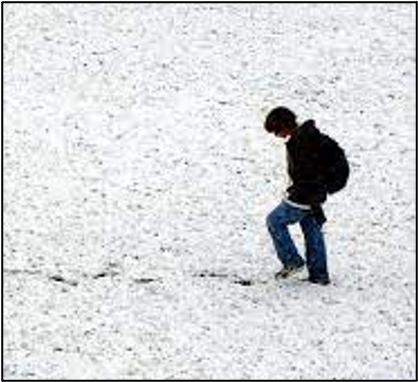
During the 19th Century, the activity of “retro-walking” was little more than an eccentric hobby, but today research is revealing it can have real benefits for your health and brain.

On an apparent wager to win $20,000, a 50-year-old cigar-shop owner called Patrick Harmon embarked on a curious challenge in the summer of 1915 – he planned to walk backwards from San Francisco to New York City.  With the aid of a friend and a small car mirror attached to his chest to help him see where he was going, Harmon made the 3,900-mile journey in 290 days, apparently walking every step backwards. Harmon claimed the journey made his ankles so strong that “it would take a sledgehammer blow to sprain them”.   Perhaps he was onto something.

According to research, walking backwards can have surprising benefits for both your physical health and your brain, as Michael Mosley recently explored in a recent episode of the BBC podcast Just One Thing. Retro-walking, as walking backwards is known in academic circles, has a rich history. There are reports dating back to the early 19th Century of people walking hundreds, and sometimes thousands of miles, in reverse. Many were the result of impulsive bets and others were simply attempts to claim the bragging rights to a bizarre new record.

But due to the difference in biomechanics, backwards walking can bring some physical benefits. It’s often used in physiotherapy to relieve back pain, knee problems and arthritis. Some studies even suggest that backwards walking can positively affect cognitive abilities such as memory, reaction time and problem-solving skills. The practice of walking backwards for health purposes is thought to have originated in ancient China, but it has received attention from researchers more recently in the US and Europe as a way of improving sports performance and to build muscle strength.  

Janet Dufek, an expert in biomechanics at the University of Nevada in the US, has been researching backwards locomotion for more than 20 years. She and her colleagues have found walking backwards for just 10-15 minutes per day over a four-week period increased the hamstring flexibility of 10 heathy female students. Backwards walking can also strengthen the muscles in the back responsible for spine stability and flexibility. And in another study led by Dufek, a cohort of five athletes self-reported a reduction in lower back pain after periods of backwards walking.

“Our research has shown that, indirectly, backward walking has some benefits relative to lower back pain simply because you’re stretching the hamstrings,” says Dufek. “Often one of the pieces that’s tied to lower back pain is tight hamstrings.”

Backwards walking and backwards running drills are already used in some sports training, particularly team and racquet sports which require the agility to quickly move forwards, backwards and laterally. As it reduces the stress placed on the knee joints while building strength, retro-running is also useful for helping to protect athletes from injury.

As well as athletes, retro-walking has been found to benefit the elderly, young, obese individuals, sufferers of osteoarthritis, and post-stroke patients with walking impairments. Backwards walking has also been found to burn more calories than walking forwards. But why is it so beneficial?  “The biomechanics of walking backwards is very different than forward walking,” Dufek told Mosley. “In backward walking, there is a reduced range of motion at the knee that can have some benefits for individuals who may be rehabilitating from knee surgery, for example.”

One recent study found that the range of motion at both the hip and knee joints is greatly reduced during backwards walking. Whilst the forwards gait begins with heel contact, the backwards gait begins with toe contact and the heel sometimes never lowers to the ground. As a result, less impact is felt at the knee joint, and it uses different muscles compared to normal walking. It’s the ankle joint which absorbs the most shock during backwards walking. Muscles activated in plantar flexion movement (used when pointing or standing on your toes) play a greater role in backwards walking to decelerate the ankle and absorb shock.

But the benefits don’t end with stronger ankles.  Researchers have also found differences in the location of neural activity when stepping backwards compared to stepping forwards. The prefrontal cortex, responsible for cognitive skills such as decision making and problem solving, is especially active when stepping backwards.

One Dutch study tested 38 participants’ ability to solve a Stroop test – which uses conflicting stimuli such as the word “blue” in red letters to interfere with how quickly people respond to a prompt – while stepping backwards, forwards or sideways. It found that participants stepping backwards had the fastest reaction times, perhaps because their brains were already used to performing an incongruous task.

Another study strongly concluded that different forms of backwards locomotion, including backwards walking, watching a video of a backwards train journey, and even just imagining moving backwards, improved participants’ ability to recall information. With larger studies of healthy populations as well as those who are unwell starting to add to the mix of research on retro-walking, the evidence for its benefits and limitations is becoming clearer.

But there’s also an element of risk when it comes to retro-walking. Care needs to be taken to avoid unseen obstacles and there are cases where walking backwards during physiotherapy has resulted in falls and serious injuries. There are also other ways of achieving the same results. Scientists in China, for example, found that tai chi and swimming are more effective rehabilitation activities for athletes with lower back pain than backwards walking, jogging, or no exercise at all.

Filed Under: Uncategorized

January 23, 2024 By Greg Nicholaides

Medicaid Spending on Prescriptions Has Risen Despite Lower Utilization

By Marissa Plescia – MedCityNews

Dec 28, 2023

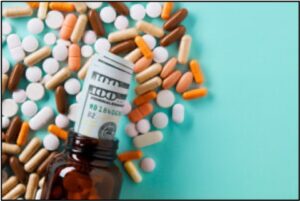
A new KFF report analyzed recent trends in Medicaid outpatient prescription drug utilization and spending. It discovered that although there’s been lower utilization of prescription drugs in recent years, Medicaid spending on prescription drugs has increased.

Although there’s been lower utilization of prescription medications, Medicaid spending on prescription drugs has increased, a recent report shows.

The KFF report relied on 2016 to 2022 State Drug Utilization Data, as well as CMS-64 Financial Management Reports from fiscal year 2017 to fiscal year 2022. It comes as states unwind the continuous enrollment provision, which prevented states from disenrolling Medicaid enrollees during the Covid-19 public health emergency. Because of the continuous enrollment provision, Medicaid and CHIP enrollment reached historic highs, peaking at 94.5 million people in April. This represents an increase of 23.1 million people from 2020.

But despite the growth in Medicaid enrollment, Medicaid prescription drug utilization was below fiscal year 2017 levels through fiscal year 2022, the researchers found. In 2017, there were 765.6 million prescriptions. In 2020, the number of prescriptions declined to 716.9 million. Then in 2022, the number of prescriptions increased to 761.1 million (but still less than in 2017). In 2017, there were 11.4 prescriptions per enrollee, versus 10.8 prescriptions per enrollee in 2020 and 9.4 prescriptions per enrollee in 2022. This proves that there was “lower drug utilization among those individuals enrolled during the continuous enrollment provision.”

Despite the decline in utilization of prescription drugs, net spending (spending after rebates) on Medicaid prescription drugs is estimated to have increased to $43.8 billion in 2022 from $29.8 billion in 2017. This represents a 47% increase. Net spending per prescription increased to $58 in 2022 from $39 in 2017. Gross Medicaid spending (spending before rebates) on outpatient prescription drugs also increased to $92.3 billion in 2022 from $64.7 billion in 2017.

The increase in Medicaid drug spending is likely due to the increased spending on high-cost brand drugs, KFF noted. “Studies have found substantial drug price increases beyond the rate of inflation in recent years as well as increasing launch prices for new drugs,” the report stated.


At Greg Says we see this report as another example of how the pharma industry needs to be held accountable for the ever-increasing cost of essential medications.

Filed Under: Uncategorized

  • « Go to Previous Page
  • Page 1
  • Interim pages omitted …
  • Page 8
  • Page 9
  • Page 10
  • Page 11
  • Page 12
  • Interim pages omitted …
  • Page 38
  • Go to Next Page »
  • Facebook
  • Google Business
  • Email

Copyright © 2026 | Insurance For Over 65