• Skip to main content
  • Skip to footer
  • Facebook
  • Google Business
  • Email

Insurance For Over 65

Serving Georgia, Alabama, and Florida

  • Home
  • About
    • Monthly Newsletter
  • Blog
  • Testimonials
  • Our FAQ Section
    • Medicare FAQ
    • What You Should Know About Medicare and HSA’s
    • 2026 Medicare Costs
    • How Do You Change Medicare Plans?
    • Life Insurance FAQs
  • Contact

Greg Nicholaides

August 18, 2023 By Greg Nicholaides

Practical Nutrition & Grocery Shopping Tips for Seniors

As people age, it’s common for their metabolism and digestive systems to slow down. They also tend to become a little less active. Those are some of the main reasons why it’s so important to get exercise and eat foods that are healthy. Nutrition for seniors is such a vital topic because knowing what and how much to eat can help you maximize your well-being. Depending on your activity level, it’s generally recommended that men over the age of 50 should consume 2,000 to 2,800 calories per day. Women over the age of 50 should consume 1,600 to 2,200 calories per day. You can do many things on a daily basis to help ensure that your nutrition goals stay on track. First, eat regularly. Most healthcare professionals recommend that you eat three meals a day and have healthy snacks in between. Include at least three food groups with every meal. Choose fresh, plant-based foods first, eat whole grains, limit red meat, and avoid processed and high-sugar foods. Here are some additional tips:

  • Plan your meals and snacks in advance. You’re more likely to eat healthy, nutritious food if you have a meal plan in place. You can plan your meals daily or weekly.
  • Eat when you’re hungry, and don’t force yourself to finish meals. Snacking and eating when you aren’t hungry often leads to weight gain and other health issues.
  • Eat slowly and chew your bites well. Eating slowly gives your brain and stomach time to communicate with each other to indicate when you’re full. And careful chewing results in easier digestion.
  • Avoid foods that are high in unhealthy fats. Consuming too many high-fat foods can lead to heart disease and obesity.
  • Replace desserts with low-fat yogurt and fresh fruit, or try baked apples and pears sprinkled with cinnamon.
  • Have a variety of healthy snacks on hand for times when you don’t feel like cooking or preparing food.

Grocery Shopping Tips

What does grocery shopping have to do with seniors’ nutrition? Everything! Having solid grocery shopping strategies in place makes it much easier to bring home the healthiest foods. After all, if you’re tired or worked up while grocery shopping, then you’re more likely to end up with a bunch of unhealthy food in your cart. Follow the tips below to make shopping a more beneficial experience:

  • Make a grocery list in advance. If you have specific brands that you like to use, then write them down. Also, write down any specific foods or ingredients that you need to avoid. That way, you can easily cross-check when you’re reading labels.
  • Check newspaper flyers and make note of any sales. Cut out coupons and attach them to your list.
  • Find out if your grocery store has senior discount days. Shopping on certain days might save you a few dollars.
  • If you have mobility challenges, shop at a store that offers motorized carts for seniors. Or pick a store that has large aisles and helpful staff so that it’s easier to get around and receive assistance when you need it.
  • See if a friend or family member can help out and go shopping with you.
  • If you walk or use public transportation when you shop, buy a personal grocery cart so you don’t have to carry heavy and awkward bags.
  • Check to see if your grocery store offers delivery services. You might be able to skip the store altogether.
  • Plan to shop when the grocery store will be slower than normal. Weekday mornings are usually a good time to go.
  • Eat before you go shopping so that you don’t make impulse purchases because you’re hungry.
  • Don’t purchase too many perishable items. Just buy what you think you’ll eat over the next few days.
  • Choose store or generic brands over name brands since they usually cost less.

Filed Under: Uncategorized

August 18, 2023 By Greg Nicholaides

1 in 5 Older Adults Skipped or Delayed Medications Last Year Because of Cost

Rising inflation and high prescription drug costs are thought to be responsible.

May 18, 2023

By Berkeley Lovelace Jr. – NBC News

A growing number of older adults say they can’t afford their prescription medications, a study published in JAMA Network Open found. About 1 in 5 adults ages 65 and up either skipped, delayed, took less medication than was prescribed, or took someone else’s medication last year because of concerns about cost, according to the study. 

“That was pretty surprising,” said lead study author Stacie Dusetzina, a health policy professor at Vanderbilt University in Nashville, Tennessee. A study published in the journal Medical Care found that in 2016 about 1 in 7 older adults were not taking their medication as prescribed because of cost. “So, a pretty big jump,” Dusetzina said. 

The study’s findings were based on a national survey taken by more than 2,000 older adults from June 2022 through September 2022. Dusetzina attributed the increase to rising inflation and prescription drug costs, which are notoriously high compared to other countries of similar size and wealth.

The study may not reflect the experience of younger individuals, she said, although other studies have shown they also struggle to pay for certain medications, like insulin. Sometimes people will keep taking their medication as prescribed despite the cost but will need to resort to other means – sometimes extreme – to afford the medications, Dusetzina said. 

About 30% of the older adults used a copayment card or coupon to afford their medication. A quarter of the respondents asked a physician for a lower-cost medication, and about 17% of them shopped around at pharmacies to find a lower price. More than 8% of respondents said they went without basic needs – like gas and groceries – to afford their medication, while 4.8% of respondents said they went into debt to get their medication.

The study’s findings are in line with earlier studies as well as what’s seen in the real world, said Dr. Adam Gaffney, a critical care physician at the Cambridge Health Alliance in Massachusetts who advocates for universal health care coverage. He was not involved in the research. “It’s certainly something that any physician has heard in the clinic that patients sometimes don’t take the medication or didn’t fill them or didn’t start them because of the sticker price,” he said. 

The Inflation Reduction Act – signed into law shortly before the study survey concluded – aims to lower the high cost of prescription drugs for older adults, said Tricia Neuman, executive director for the program on Medicare policy at KFF, formerly known as the Kaiser Family Foundation.

On Jan. 1, a provision in the law imposed a $35 monthly out-of-pocket cap on the cost of insulin for older adults on Medicare, causing insulin-makers to quickly follow suit for people on private insurance. But some of the law’s other provisions – like a $2,000 out-of-pocket cap on drug spending and negotiated drug pricing – won’t go into effect for several more years. 

“Future polls will tell us the extent to which further action may be needed to drive down drug prices,” said Neuman, who was not involved in the study. In the meantime, outside groups may need to take action, Gaffney said.

Billionaire Mark Cuban last year launched the Mark Cuban Cost Plus Drug Co., which offers some generic drugs at discounted prices. A study published last June found that Medicare could have saved nearly $4 billion by purchasing generic drugs at the same prices offered by Cost Plus Drug Co. 

Dusetzina also said that more physicians should get comfortable speaking with their patients about whether they can afford their medications. Nearly 90% of respondents in the study said they would be open to talking with their doctor about the cost of the drugs. “Physicians worry patients don’t want to talk about it,” she said. “I think one way to normalize these conversations is just to ask people if they want to have them.”

Filed Under: Uncategorized

August 18, 2023 By Greg Nicholaides

ONLY ONE-THIRD OF SURVEYED NURSES PLAN TO REMAIN IN THE PROFESSION

HealthLeaders | by Carol Davis |   MAY 11, 2023

Most nurses blame staffing shortages for poor mental health.

Only one-third of nurses surveyed plan to remain in the profession for the foreseeable future and about one-fourth plan to leave in one or two years from now, a new report warns.

Insufficient staff to meet demand – the worst part of the profession, they say – creates burnout and overwork, according to more than half of nurses surveyed in a study conducted by Florida Atlantic University’s Christine E. Lynn College of Nursing and Cross Country Healthcare Inc., a workforce solutions platform and advisory firm.

The survey was conducted earlier this year with nearly 1,500 nursing professionals and students at healthcare and hospital facilities across the country and was outlined in the report, The Future of Nursing: At the Breaking Point.

Nurses reported experiencing symptoms of anxiety (46%), insomnia (35%), and depression (32%) and the leading cause for poor mental health was staffing shortages (71%), followed by a lack of support resources (55%). Yet, most employed nurses (83%) do not use mental health or well-being counseling, despite employers offering such services, according to the survey.

In contrast, 47% of nursing students use the mental health offerings from their school and 53% find them useful, the survey says, with 61% saying their school offers mental health and well-being resources, including student assistance programs, gyms and fitness resources, counseling, food and nutrition services, and a mental health and well-being hotline.

Asked if they were satisfied with their decision to become a nurse, 93% of student nurses said they are. Working nurses’ experience with the COVID-19 pandemic has added to feelings of discontent however, and nearly two in five employed nurses indicating it dramatically increased their desire to leave the profession.

“We had hoped that at this point past the pandemic, we would see improvement in the sentiment of our nurses, but that’s simply not the case,” said John A. Martins, Cross Country’s president and CEO. “The profession has reached a breaking point, and it is well past time that industry leaders come together to create reform to revitalize this essential profession.”

Methods might include:

  • Create new opportunities for education: Identify new pathways at the high school, undergraduate, and postgraduate levels to expedite the supply of nurses; recruit more nursing faculty to educate and train the next generation of nurses.
  • Offer flexibility and awareness of growth opportunities: Open every door to expedite the transition from the university to the hospital floor and offer more fluid career paths that match individual skills and ambitions to evolve and grow with the person.
  • Invest in retention strategies and well-being initiatives that matter: Focus on enriching current and future nurses’ working conditions and well-being to ensure long-term satisfaction and subsequent retention.
  • Embrace technological innovation: Use technology to understand better equitable workforce distribution, workflow management, employee satisfaction and well-being, and patient safety.
  • Explore innovative staffing models: Explore innovative and flexible staffing models, including travel and per-diem nurses, to provide agility and continuity of quality patient care.

“Despite the many challenges and stressors that have contributed to burnout and nurses being on the brink of a breaking point in their professional careers, nurses and nursing students remain overwhelming satisfied with their career choice,” said Safiya George, PhD, FAANP, the nursing school’s dean and professor.

“Nurses have endured and thrived over the years,” she said. “The profession as a whole will need a lot more investment of human capital as well as fiscal and other supportive resources moving forward. This national survey has helped to identify innovative ways to improve quality of work and life for current and the next generation of nurses.” 

Filed Under: Uncategorized

June 16, 2023 By Greg Nicholaides

Expect Big Crowds for the Summer Travel Season — and Big Prices, Too

Published: May 25, 2023

By Tony Gutierrez – Associated Press

The unofficial start of the U.S. summer travel season is here, with airlines hoping to avoid the chaos of last year and travelers scrounging for ways to save a few bucks on pricey airfares and hotel rooms.

Some travelers say they will settle for fewer trips than they hoped to take, or they will drive instead of fly. Others are finding different money-saving sacrifices.

Stephanie Hanrahan thought she’d save money by planning ahead for her daughter’s birthday trip to Disney World in Florida. Instead, it ended up costing the same as the Dallas-area family’s trip for four to California last summer, so now her husband and son are staying home.

“We just had to grit our teeth,” said Hanrahan, a writer and speaker who also runs a nonprofit, as she and daughter Campbell waited for their flight last week at Dallas Love Field.

With more travel comes more expense. The average rate for a U.S. hotel room last week was $157 a night, up from $150 in the same week last year, according to hotel data provider STR. And the average daily rate for other short-term rentals such as Airbnb and Vrbo rose to $316 last month, up 1.4% from a year ago, according to AirDNA, which tracks the industry.

There is a bit of good news for drivers, however: The national average for a gallon of regular was $3.56 at midweek, down from $4.60 at this time last year, according to AAA.

Renting a car is also cheaper than a year ago, when some popular destinations ran out of vehicles. Travel company Expedia said larger inventories let the companies rent more cars at lower prices.

For air travelers, airline industry officials say carriers have fixed problems that contributed to a surge in flight cancellations and delays last summer, when 52,000 flights were nixed from June through August. Airlines have hired about 30,000 workers since then, including thousands of pilots, and they are using bigger planes to reduce flights but not the number of seats.

“I don’t have the hubris to tell you exactly how the summer is going to go, but we have prepared, and we have a robust plan for it,” said Andrew Watterson, chief operating officer at Southwest Airline, which struggled at times over the summer of 2022 and suffered an epic meltdown around Christmas, canceling nearly 17,000 flights.

David Seymour, the chief operating officer of American Airlines, said his staff has fine-tuned a system it uses to predict the impact of storms on major airports and devise a plan for recovering from disruptions. He said it is reducing cancellations. “It’s going to be a solid summer for us,” Seymour said.

In a report released last month, the Government Accountability Office blamed airlines for an increase in flight cancellations as travel recovered from the pandemic. It also said airlines are taking longer to recover from disruptions such as storms.

U.S. Transportation Secretary Pete Buttigieg says the government will hold airlines responsible to treat passengers fairly when the carriers cause cancellations or long delays. But just like the airlines, the Federal Aviation Administration – the agency that manages the nation’s air traffic – has had its own staffing shortages and occasional technology breakdowns that have snarled air travel.

The FAA resorted to nudging airlines to reduce flights in the New York City area this summer, and it opened new flight paths over the East Coast to reduce bottlenecks. “It’s going to be an ordeal – it’s always an ordeal to travel in the summer,” said travel analyst Henry Harteveldt, “but the airlines have done a lot to improve their ability to operate well this summer.”

Airlines hope that limiting the number of flights will improve reliability and reduce delays. So far, it seems to be working. About one in every 70 U.S. flights have been canceled this year – half the rate of a year ago and lower than in 2019. Limiting the number of flights also keeps prices above pre-pandemic levels.

A provider of travel data, Hopper, predicts that average domestic airfares will peak next month at $328 for a round-trip ticket, which is down from last summer’s record of $400 but 4% higher than in 2019. There are some last-minute deals on domestic flights, Hopper found, but international fares are their highest in more than five years, with prices to Europe up 50% from a year ago.

The same thing is happening within Europe, as airlines hold the line on capacity at a time of strong travel demand. “There is no expectation of seeing cheaper fares in Europe in the next seven or eight months,” says John Grant, an analyst for OAG, a U.K.-based travel-data provider.

For the travel industry, the big question is how long consumers can keep paying for airline tickets and accommodations while they try to deal with stubborn high inflation, news about layoffs and bank failures, and fear of a recession. Industry executives say consumers are favoring the experience of travel over other types of spending, but some analysts see cracks in the strong demand for travel that began in early 2022.

Bank of America analysts say data from their credit and debit card customers showed a slowdown in spending in April, as card use fell below year-before levels for the first time since February 2021. They say spending on hotels, which rebounded relatively early from the pandemic, dipped this spring, while the late-recovering cruise industry is still steaming ahead – card spending on cruises rose 37% last month, although from very low levels a year ago.

“Travel remains a bright spot relative to other sectors, but we’re also seeing signs of moderation in the travel space,” said Anna Zhou, an economist for the bank.

Filed Under: Uncategorized

June 16, 2023 By Greg Nicholaides

New Report Reveals Significant Gaps in Medicare Knowledge Among Older Adults

By Insurance Forums Staff

July 13, 2022

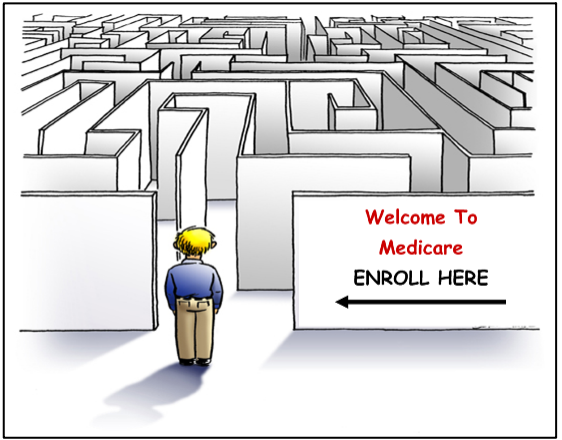
Seniors enrolling in Medicare face a process fraught with challenges, display significant gaps in knowledge of plan components, are overwhelmed by Medicare advertisements, and often fail to re-evaluate their plan options when selecting plans. As a result, many are enrolling in plans that fail to best reflect and support their evolving healthcare needs.

These challenges could jeopardize the ability of seniors to make the best choices for their unique health and wellness needs, and the results may worsen as they get older.

These are the findings of a new report, Hidden Crisis: The Medicare Enrollment Maze, issued today by national healthcare consultancy Sage Growth Partners. The report is based on a survey of 1,142 individuals ages 64 and older, which was commissioned by Healthpilot, an AI-driven, fully digital platform for Medicare education and insurance enrollment.

The report explores the profound impact of widespread confusion and overwhelming enrollment challenges on older Americans, as well as the entire healthcare system. With nearly 64 million Americans enrolling in Medicare in 2021 and the U.S. Census Bureau projecting more than 73 million Americans will enroll by 2030, the negative effects will only intensify.

“This report shows the striking level of confusion surrounding Medicare enrollment for all ages. While there may be many better plan options, very few enrollees have the necessary knowledge to choose them,” said Dan D’Orazio, Sage Growth Partners CEO. “The level of satisfaction with shopping for Medicare plans lies below the cellar-dwellers of industry satisfaction such as cable tv providers and internet shopping. This is very troubling considering what is at stake for older adults and their clinical and financial health.”

Among the report’s key findings:

  • Only 20% of Medicare-eligible individuals have a good understanding of Original Medicare; only 31% have a good understanding of Medicare Advantage.
  • 63% are “overwhelmed” by Medicare advertising; only 31% of respondents “strongly agree” that they can make effective selection decisions.
  • More than half (58%) stay in their current Medicare plan each year rather than reviewing their plan options and enrolling in the best plan for their evolving needs.
  • 33% have a financial advisor, but only 2% use that advisor to help with plan selection.

“This report confirms that most older adults find Medicare enrollment confusing and lack adequate resources or support to choose the best plan,” said Dave Francis, CEO of Healthpilot. “Enrolling in Medicare is a pivotal time for millions and the Medicare marketplace is ripe for transformation. I believe that it is possible to make health care better for individuals aged 64 and older throughout the country, but we need dynamic platforms and sincere actions to make this happen.”

In April, Healthpilot commissioned Sage Growth Partners to conduct an independent survey of Medicare enrollment-eligible individuals (those aged 64 and older). More than 80% of survey participants had coverage through Medicare or Medicare Advantage. The respondents came from across the enrollment experience spectrum:

  • 10% of respondents were first-time enrollees
  • 32% had been enrolled for less than one year to three years
  • 35% for 4-9 years
  • 23% for 10 years or more.

The full report, Hidden Crisis: The Medicare Enrollment Maze, can be found here.

Greg Says agrees that there is a critical need for better education among the Medicare-eligible population. The surest way to avoid the anxiety associated with navigating the bewildering assortment of plans and options is to seek the assistance of a local licensed independent Medicare advisor.  These agents have no allegiance to any specific insurance carrier but are focused on what is best for the individual based on a thorough understanding of that individual’s needs and preferences.

Filed Under: Uncategorized

  • « Go to Previous Page
  • Page 1
  • Interim pages omitted …
  • Page 14
  • Page 15
  • Page 16
  • Page 17
  • Page 18
  • Interim pages omitted …
  • Page 46
  • Go to Next Page »
  • Facebook
  • Google Business
  • Email

Copyright © 2026 | Insurance For Over 65